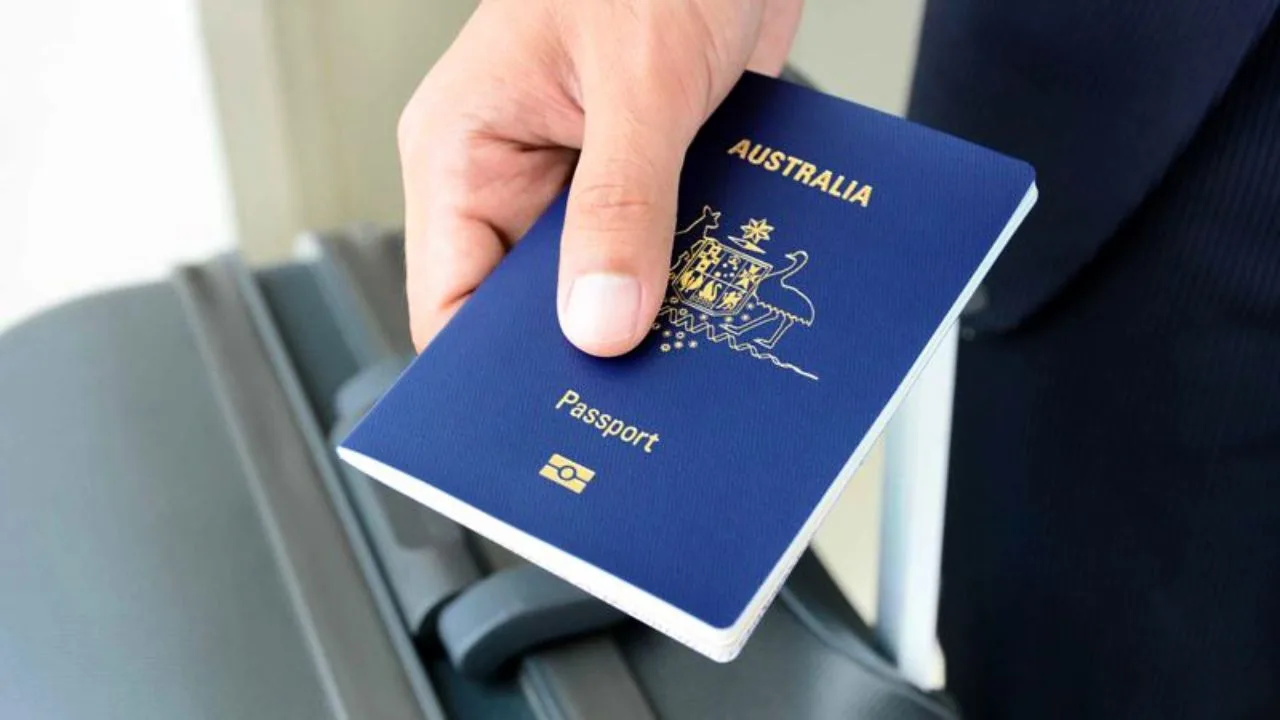
Starting January 1, Australians will face a 3.5% increase in Australian passport fees for applications, marking the latest rise in costs following last year’s significant tax addition. This adjustment aligns with standard indexation practices.
From the new year, a 10-year adult passport will cost $412, up from the current $398. For children, a five-year passport will increase to $208, while a replacement passport will be priced at $259. These changes follow a 15% tax added in July of the previous year, which positioned Australian passports as the most expensive globally, surpassing Mexico’s $346.
Simon Birmingham, the Coalition’s foreign affairs spokesperson, criticized the increase as a “backdoor tax grab,” accusing the Albanese government of burdening Australians with additional costs.
“Labor is on track to rake in nearly $1 billion annually from taxpayers through these blatant price rises on Australian passports”
Simon Birmingham stated.
He highlighted the financial strain on Australians planning holidays, noting that passport costs now rival airfare prices to destinations like Bali or Fiji.
In response, a spokesperson from the Department of Foreign Affairs and Trade explained that passport costs are indexed annually in line with the Consumer Price Index. They emphasized the Australian passport’s international respect as a high-quality travel document, citing its technological sophistication and rigorous anti-fraud measures as reasons for its integrity and the visa-free access it provides to over 180 countries.
As Australians prepare for the new year, the increased passport fees are a reminder of the ongoing financial adjustments impacting travelers. While the government defends the costs as necessary for maintaining the passport’s high standards, the debate over affordability and accessibility continues. For those planning international travel, these changes underscore the importance of budgeting for essential travel documents.